Introduction
Buying or selling a business is one of the most significant and complex transactions an entrepreneur can undertake. Whether you're preparing to sell a company you've built from the ground up or looking to acquire a business as a strategic investment, understanding the legal and financial landscape is critical. As an attorney who has guided clients through both sides of the deal, I’ve seen how thoughtful planning, clear communication, and careful due diligence can make all the difference. Over the course of this blog series, I’ll guide you step by step through the business sale process, helping you navigate each stage with clarity and confidence.
Key topics I will cover in this series:
-
The Business Sale Process
-
Confidentiality Agreements
-
Due Diligence
-
Valuation Issues
-
Successor Liability Issues
-
State and Local Tax Considerations
-
Federal Tax Consequences
-
Closing
Download the complete Business Sale Process guide here.
Part 1: The Business Sale Process
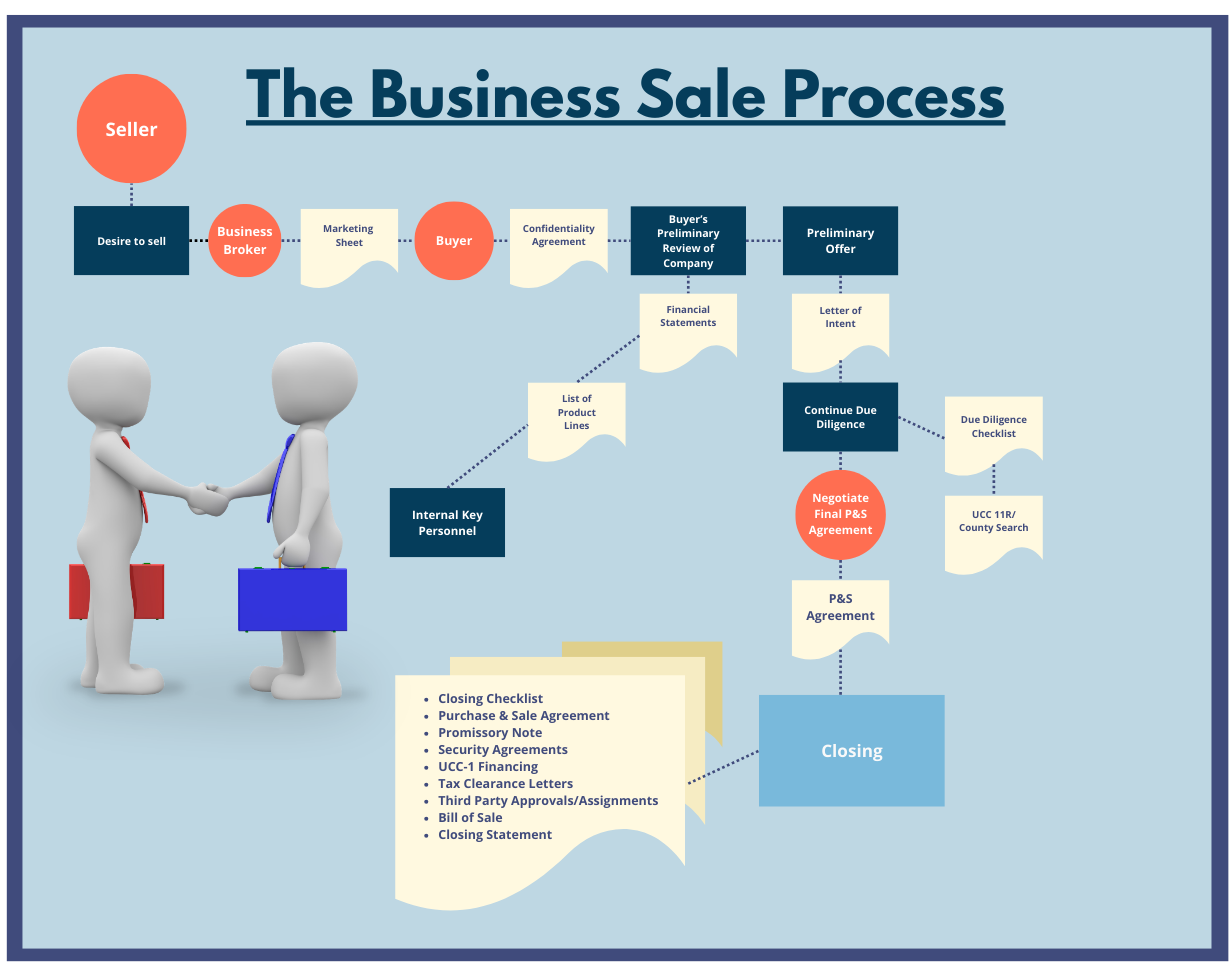
Whether you're buying or selling a business, the process can feel overwhelming—but with the right guidance and preparation, it doesn’t have to be. Every transaction is unique, but most follow a series of common steps designed to protect both parties and ensure a smooth transition. In this post, we’ll walk through the critical phases of a business sale or purchase, from valuation to closing, and highlight strategies for finding the right buyer or seller.
Step 1: Determining a Fair Price
One of the first and most important steps is establishing a fair and realistic value for the business. Buyers and sellers often have different views on how the company’s past performance translates into future profitability. Bridging that gap requires a thoughtful analysis of financials, market trends, and growth potential. A well-supported valuation helps both sides enter negotiations with clarity and confidence.
Step 2: Conducting Due Diligence
Due diligence is the process of verifying that the business is as represented. It can be relatively light, such as reviewing several years of financial statements, including an in-depth examination of legal, operational, and contractual aspects. The goal is to identify any material issues that could affect the value of the business or the parties’ willingness to move forward.
Step 3: Understanding Tax Implications
Both federal and state tax consequences must be considered to structure the deal appropriately. While tax laws provide some guidance on how purchase price allocations should be handled, buyers and sellers may have differing views, particularly when it comes to allocating value to goodwill or personal goodwill. Early tax planning is essential to avoid surprises and optimize outcomes.
Step 4: Negotiating Key Agreements
Once value has been agreed upon, due diligence is complete, and tax issues are addressed, the parties work toward a definitive purchase and sale agreement. This document outlines the terms and conditions of the transaction, including representations, warranties, indemnifications, and closing procedures. Skilled legal counsel is crucial at this stage to ensure all interests are protected.
Step 5: Finding the Right Buyer or Seller
If you’re a seller, identifying the right buyer is a strategic step that depends on the size of your business, the nature of your industry, and your preferred approach, whether through targeted outreach or a formal auction process. Here are some common paths to finding a match:
- Local Competitors: These are often the most attractive suitors due to potential cost savings, operational synergies, and the added bonus of reduced competition. However, sharing confidential information requires extra caution.
- Strategic Prospects: Companies in the same industry but operating in different regions may be interested in territorial expansion. Similarly, businesses in adjacent sectors could be exploring vertical integration opportunities, making them strong candidates.
- Business Brokers or Investment Bankers: These professionals bring deep networks and expertise. They can identify prospects, help prepare confidential materials like a placement memorandum, and, if appropriate, conduct a structured bid or auction process to maximize value and efficiency.
Final Thoughts
A business sale or acquisition is a major milestone, and a complex one. Whether you're stepping away from a company you’ve built or investing in a new opportunity, success depends on preparation, sound advice, and clear communication. With the right team and a structured approach, you can navigate each step with confidence and achieve your goals.

Paul Tonella is a partner at Keller Rohrback in Seattle, practicing in the firm’s Business and Estate Planning Group. He advises individuals, families, and closely held businesses on a wide range of legal matters, including entity formation, corporate structuring, tax planning, business transactions, and personalized estate planning. Paul also assists clients with probate and trust administration, offering practical guidance tailored to their unique goals.
For more information, visit his profile: Paul Tonella | Keller Rohrback.
Attorney Advertising. The attorney responsible for this advertisement is: Paul Tonella of Keller Rohrback L.L.P., headquartered at 1201 3rd Avenue, Suite 3400, Seattle, Washington. Admitted in Washington State. Prior results do not guarantee a similar outcome. (800) 776-6044.