Bankruptcy is supposed to be a system of shared sacrifice. In an ordinary Chapter 11 bankruptcy, a company acting in good faith puts all its assets on the table and submits to the Bankruptcy Court. In return, everyone it owes—lenders, suppliers, and the people it has harmed—are prevented from racing to grab the debtor's assets as quickly as possible. Instead, they must participate in an orderly process in which all are treated equitably. The "Texas Two-Step" is a maneuver that large corporate tortfeasors have tried to use in recent years to pocket the benefits of that bargain and avoid its burdens.
CertainTeed, a profitable company that manufactured asbestos products for decades, wanted to find a cheaper way to deal with its asbestos liabilities. First, CertainTeed used what is known as a divisional merger under Texas law to split itself into two entities. One kept the factories, the employees, the revenue, and the ongoing CertainTeed business. The other was assigned all of CertainTeed's asbestos liabilities and few assets. Next, that liability shell filed for bankruptcy. Because of its Texas Two Step maneuver, only the victims of CertainTeed's asbestos products are forced to wait and bear the burdens that the bankruptcy system places on creditors. The "new" CertainTeed, having assigned its asbestos liabilities to a shell company, can go about its business unencumbered by the bankruptcy process. It keeps operating, keeps earning, and keeps paying its other creditors and its shareholders.
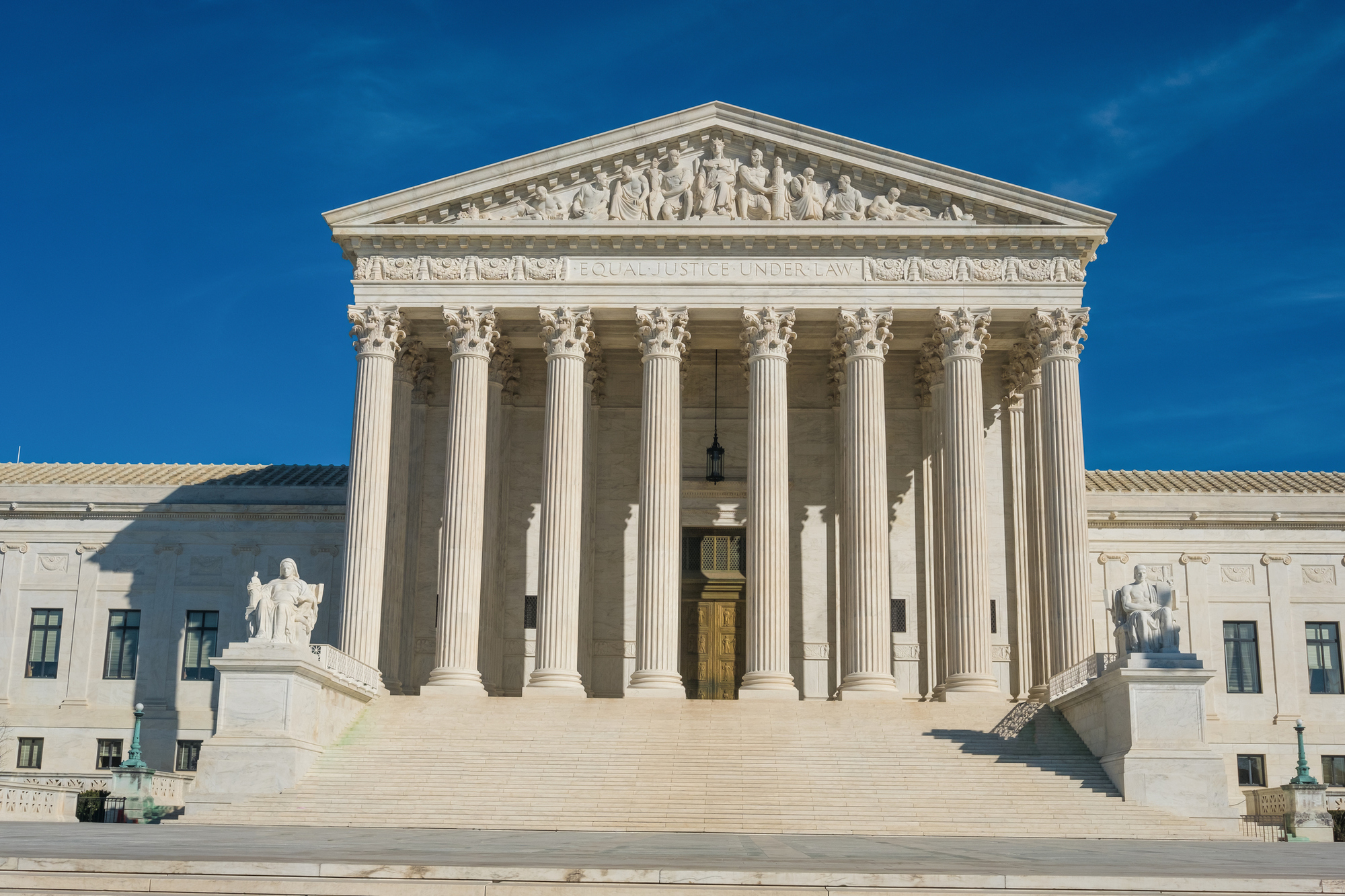
Keller Rohrback attorneys Patrick Marriott, Matthew Melamed, and Laura Gerber, with Andre M. Mura and Sarah Elizabeth Hillier of Gibbs Mura LLP, have filed an amicus brief on behalf of Public Justice in the Supreme Court, supporting the petitioners in Herlihy v. DBMP. Public Justice is a national public interest law organization devoted to the victims of corporate and government wrongdoing. The amicus brief asks the Court to grant certiorari and address whether the Texas Two-Step lacks the good faith the Bankruptcy Code requires.
An amicus curiae brief, also known as a "friend of the court" brief, is a written legal document submitted to a court by an individual, organization, or government agency that is not a direct party to the lawsuit. An amicus curiae brief is intended to provide courts with specialized insight and broader public-policy perspectives from non-parties who have a strong stake or expertise in a case's outcome.
The amicus brief can be read in full here.